
Simha Sankranti 2026 | সিংহ সংক্রান্তি ২০২৬
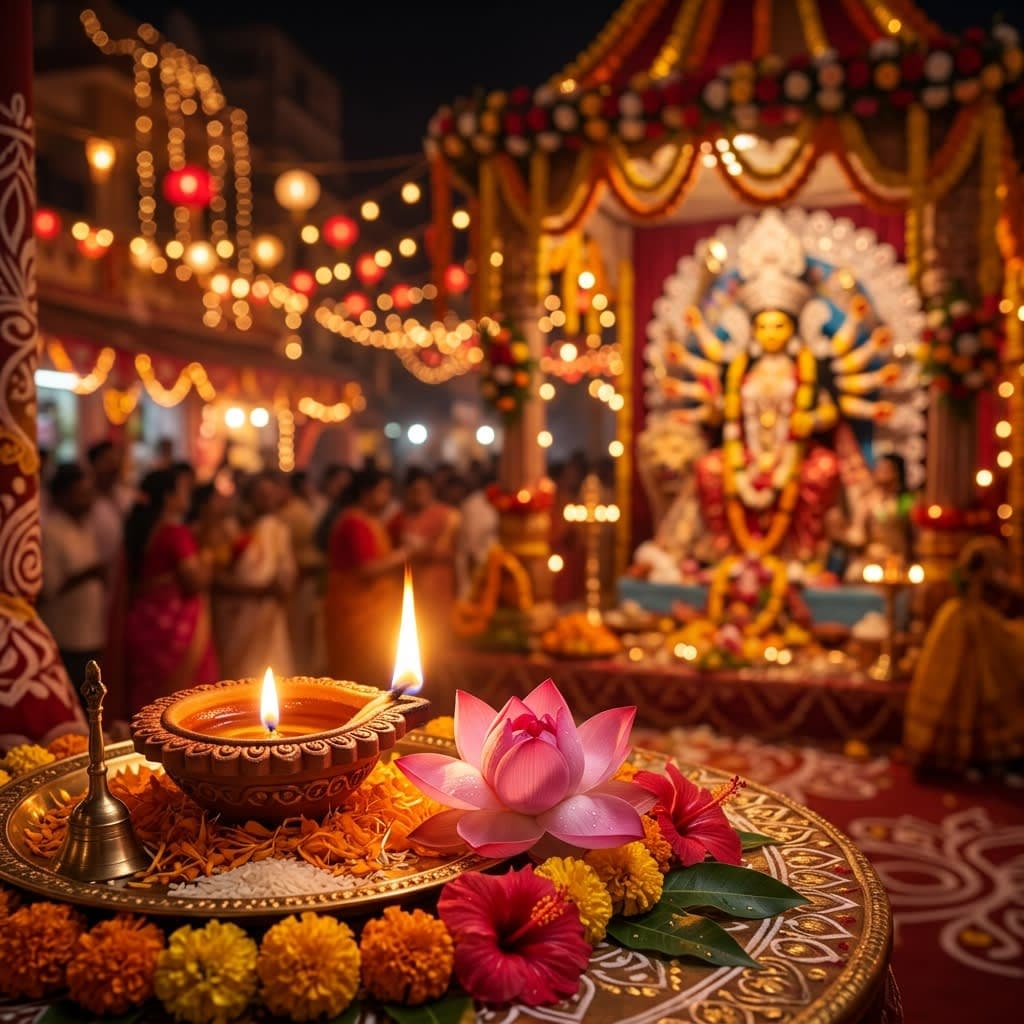
Simha Sankranti 2026 — Surya Arghya offering at dawn as the Sun transits into Leo (Simha Rashi)

Looking for calendar views and tithis?

Read more about the exact tithi timings and planetary alignments in our comprehensive August 2026 Calendar.

View August Calendar →

About Simha Sankranti(উৎসব পরিচিতি)

Simha Sankranti 2026 falls on Sunday, August 17. On this day, the Sun — moving through the zodiac as it does every year — crosses from Karka Rashi (Cancer) into Simha Rashi (Leo). In the Vedic solar calendar that Bengali panjika still follows, this crossing is called a Sankranti: the monthly solar transit from one zodiac sign to the next.

There are twelve Sankrantis in a year, one for each rashi. Most Bengalis are most familiar with Makar Sankranti (January) and Poush Sankranti — those have their own foods, festivals, and fairs. Simha Sankranti is quieter. It does not have a major associated festival the way Makar does. But for those who observe the solar calendar closely — farmers, pandits, people who plan auspicious activities by the panjika — it is a meaningful transition.

The Simha Sankranti moment in 2026 will occur on August 17. The exact time of the transit (the Sankranti Punya Kala) is when the ritual window opens — and this is what the panjika specifies down to the minute.

History: The concept of Sankranti is among the oldest in Indian astronomical tradition. Ancient Vedic astronomers tracked the Sun's path through the 12 rashis with considerable precision, and the Sankranti moments became the structural frame of the Hindu solar calendar — used to calculate everything from agricultural sowing seasons to the timing of major festivals.

Simha Rashi (Leo) occupies a particular place in this framework because Leo is the Sun's own sign — the one rashi where the Sun is said to be in its own home (Sva-Kshetra). When the Sun enters Simha, it is considered to be at full strength. In classical Jyotisha (Vedic astrology), this is described as a period of solar power and authority — which is why activities connected to seeking success, courage, leadership, and vitality are considered especially well-supported during this month.

In Karnataka and parts of South India, the Simha Sankranti is observed with more elaborate rituals and temple visits under the name Simha Sankramana. In Bengal, the day is noted in the panjika and observed through Snan (holy bath) and Dana (charity), consistent with how most monthly Sankrantis are marked here.

Significance: The practical importance of Simha Sankranti for a Bengali household is mostly calendar-related. The day marks the beginning of the Simha solar month — a period that runs from mid-August to mid-September in the Gregorian calendar and overlaps with the Bengali month of Bhadra.

This is the deep monsoon season in Bengal. The rivers are full, the fields are green, and the air is thick with humidity. From a traditional agricultural perspective, the Simha solar month was when planting in certain regions was monitored carefully — the amount of rain that fell during Simha was considered a predictor of the coming harvest.

Religiously, the Sankranti moment itself — however many minutes it lasts — is considered the most potent period of the day for prayer, bathing in a sacred river, and acts of charity. Dana performed at Sankranti is considered significantly more meritorious than dana on ordinary days. This is the consistent teaching across all twelve monthly Sankrantis.

Rituals & How to Celebrate

Snan at dawn — ideally in a river or at a ghat. The Hooghly ghats in Kolkata, the Ganga at various points across Bengal, see steady early-morning visitors on Sankranti days. If a river isn't accessible, a bath at home with sesame seeds mixed in the water is an acceptable substitute.
Surya Arghya — standing in the morning sun, offering water (with red flowers, sesame, and rice) from a copper vessel towards the east. The Gayatri Mantra or the Aditya Hridayam is recited. This is the core solar worship of any Sankranti.
Dana (charity) — especially during the Punya Kala period specified in the panjika. Donating food grains, sesame seeds, jaggery, or clothing is traditional. Many families give to local temples or feed people who need a meal.
Temple visits — primarily to Surya temples or Navagraha shrines. In Bengal, the Navagraha prayers are popular on any astronomically significant day. The priest will typically perform a specific puja aligned with the Sun's entry into Leo.
Observing a vegetarian day — many households avoid meat and fish on Sankranti as a mark of ritual purity during the transit period.
Noting the exact Sankranti time from the panjika — the Punya Kala (auspicious window) is not always the whole day. It is the period around the moment of the Sun's actual transit, and the local Bengali panjika specifies this with the precision traditional astronomers intended.

Traditional Foods & Bhog

Sesame (Til) in various forms — sesame seeds are used in Sankranti rituals across India. In Bengal, sesame sweets and til-mixed bathing water are both common.Khichuri — vegetarian, pure, simple. The standard sattvic meal for any day of ritual observation in Bengal.Seasonal fruits — August is peak season for a number of Bengal's fruits. Offering fresh fruit to the Sun God and then eating it as prasad is a clean Sankranti tradition.Payesh — made with full-fat milk, rice, and sugar. Many Bengali families prepare Payesh on Sankranti days as an offering and a shared household meal.Narkol Naru (coconut laddoo) — a simple, auspicious sweet that appears in Bengali homes on most ritual occasions. Easy to make, considered pure, and always welcome.

Festival Calendar

Aug17

Simha Sankranti

ভাদ্রসিংহ সংক্রান্তি ২০২৬

Mon

Frequently Asked Questions

Quick Info

FestivalSimha Sankranti
Date17 August 2026
DayMonday
Tithiপ্রতিপদ
Bangla Date২ ভাদ্র ১৪৩২
Pakshaশুক্লপক্ষ

Panjika Details

Sunrise5:25 AM
Sunset6:05 PM
Nakshatraঅশ্বিনী
Yogaহর্ষণ
Karanaতৈতিল
Simha Sankranti 2026: Date (Aug 17), Sun Enters Leo, Punya Kala & Rituals